Everything You Need to Know About Rhinoplasty Surgery
Rhinoplasty, often referred to as a nose job, is surgery to change the shape, size or function of the nose. It can alter the proportions of the nose, narrow the nostrils or change the angle between the nose and upper lip. It may also be undertaken to correct a congenital difference or injury, or to improve certain breathing problems.
If You Are Considering Rhinoplasty
This information provides a general introduction to rhinoplasty, including when it may help, how the procedure is performed and what you can expect during recovery. Every patient is different, so it cannot answer every question or predict your individual result. Please ask me about anything you do not understand or would like to discuss in more detail.
Is Rhinoplasty Right for You?
Rhinoplasty may improve the appearance of your nose and your confidence, but it cannot guarantee a particular result or change how other people respond to you. Before deciding to have surgery, it is important to think carefully about your reasons, expectations and desired outcome and to discuss them openly with me.
Suitability for rhinoplasty depends on several factors, including your general health, nasal anatomy, emotional readiness and expectations. The aim should be improvement rather than perfection. Your individual suitability will be assessed during the consultation process.
Reasons for Rhinoplasty
Rhinoplasty may be performed for cosmetic reasons, to correct a congenital difference or the effects of an injury, or to address breathing difficulties. As a general guide, functional nasal surgery is usually delayed until at least the age of 16, while cosmetic rhinoplasty is usually considered from the age of 18. Individual circumstances may, however, differ.
When surgery is being considered by a younger patient, it is important to consider their physical development, emotional maturity and personal wishes. The decision should be theirs and should not be driven primarily by pressure from parents or other people.
What Are the Risks of Rhinoplasty?
All surgery carries risks. Although complications following rhinoplasty are uncommon when the procedure is performed by a suitably qualified and experienced surgeon, possible complications include infection, bleeding, a reaction to the anaesthetic and an unsatisfactory cosmetic or functional outcome. Following the instructions provided before and after surgery can help to reduce some of these risks.
Small broken blood vessels may occasionally appear as tiny red marks on the surface of the skin and can sometimes be permanent. A closed rhinoplasty uses incisions inside the nose and does not usually leave visible scars. An open rhinoplasty, or surgery to narrow the nostrils, involves small external scars at the base of the nose, which usually fade over time.
In approximately one case in twenty, a further procedure may be required, for example to correct a minor irregularity. This can happen even when surgery has been carefully planned and performed. Any further procedure required is often relatively minor.
Planning Your Rhinoplasty Surgery
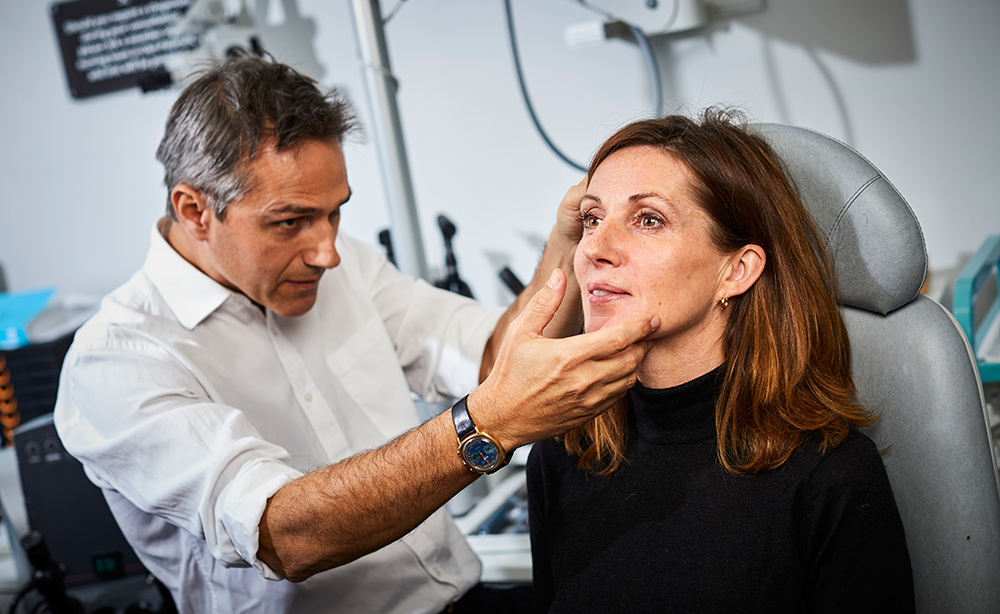
Open and honest communication is an important part of planning rhinoplasty. During your initial consultation, we will discuss what you would like to change and what may realistically be achieved.
I will assess the structure of your nose, your facial proportions and your nasal function. I will also explain the factors that can influence the procedure and its outcome, including the structure of your nasal bones and cartilage, the thickness of your skin, your age and your expectations.
We will discuss the proposed surgical technique, the available options and the potential risks. Purely cosmetic surgery is not normally covered by medical insurance, although treatment undertaken for reconstructive or functional reasons may sometimes be covered. You should check directly with your insurer and obtain any required authorisation before surgery.
Please tell me about any previous nasal surgery or injury, even if it occurred many years ago. You should also disclose any allergies, breathing difficulties, medication, vitamins or supplements you take, recreational drug use and whether you smoke.
You are encouraged to ask questions at any stage, particularly about the proposed procedure, your expectations, the risks and the likely recovery process.
Preparing for Rhinoplasty Surgery
I will give you specific instructions on preparing for your operation. Smoking increases some surgical risks and can delay healing, so you will be advised to stop before surgery and during your recovery.
Your operation may need to be postponed if you develop a cough, cold, sore throat or other illness shortly beforehand. Please contact the team for advice if you are unwell or uncertain whether your surgery should proceed.
Before the operation, you will be asked to sign a consent form confirming that the procedure, its potential benefits and risks, and the available alternatives have been explained to you and that you wish to proceed.
Rhinoplasty is performed under general anaesthetic. Most patients can leave hospital on the same day, although an overnight stay is occasionally required. You should follow the instructions provided by your surgeon and anaesthetist and ask about anything you do not understand.
You may be asked to wear compression stockings or receive an injection of anticoagulant medication to reduce the risk of blood clots forming in the veins of your legs.
You must arrange for someone to drive you home after surgery and should have help available during the first few days of your recovery if needed.
What Happens During Rhinoplasty Surgery?
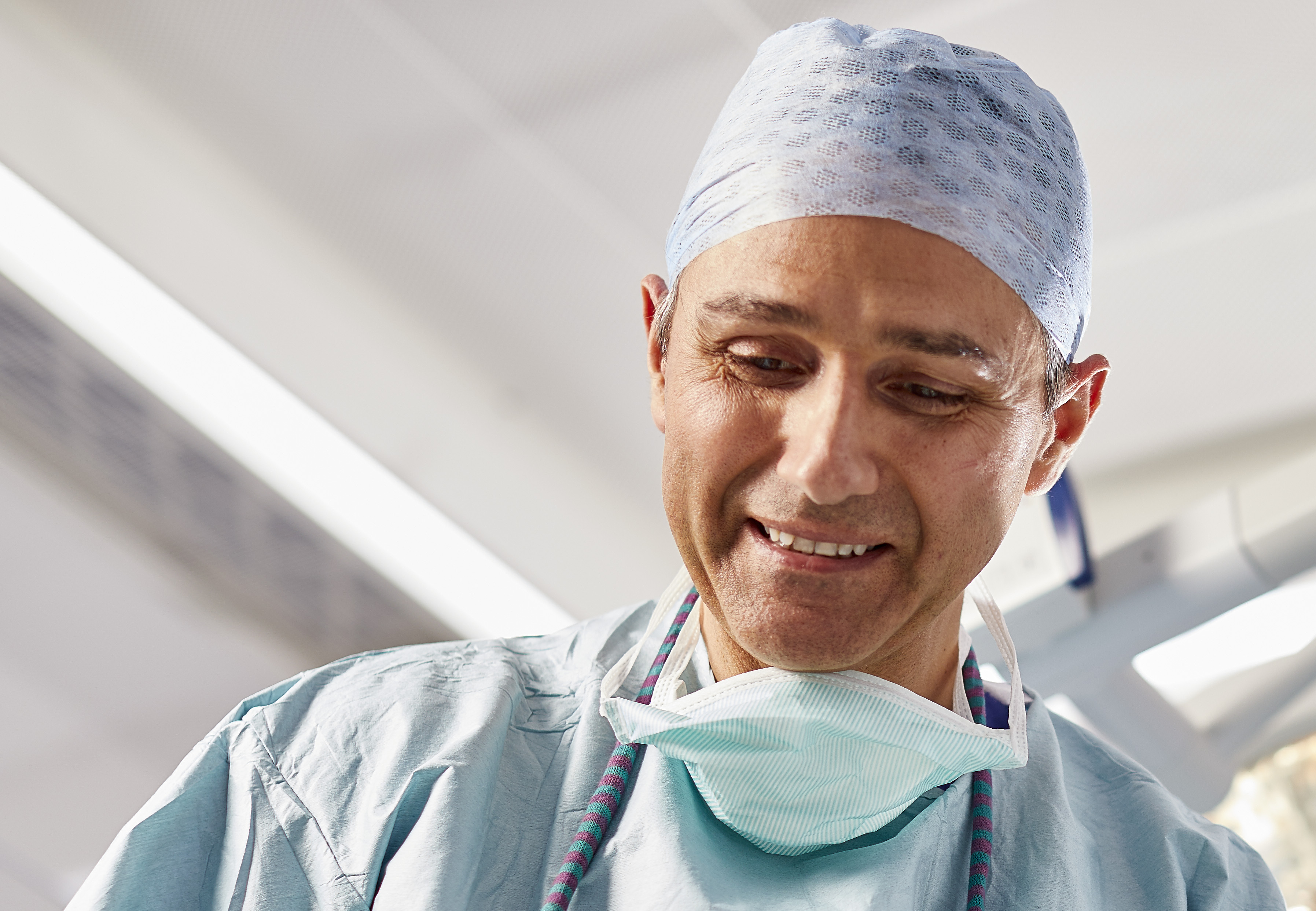
Rhinoplasty usually takes around three hours, although the exact duration depends on the complexity of the procedure. During surgery, the skin and soft tissues are carefully lifted from the supporting framework of bone and cartilage. The framework is then reshaped according to the agreed surgical plan before the tissues are repositioned.
If the nostrils are considered too wide, small amounts of tissue may be removed from their bases to bring them closer together.
Rhinoplasty may be performed using a closed technique, with incisions made inside the nostrils, or an open technique, which involves a small incision across the columella—the strip of tissue between the nostrils. I am experienced in both approaches and will discuss which is most appropriate for you, together with the advantages and limitations of each.
Depending on the procedure, a splint may be placed on the outside of the nose. Soft internal splints or nasal packing may also be used when required.
The exact surgical steps vary between patients. They may include reducing a hump, repositioning the nasal bones or trimming and reshaping cartilage to alter the tip of the nose.
What Can You Expect After Surgery?
During the first 24 hours, your face and nose are likely to feel swollen and uncomfortable. Bruising may develop around the eyes, and you may experience aching or a dull headache. Discomfort can usually be managed using the pain relief recommended or prescribed for you.
Swelling and bruising often increase during the first two or three days before gradually improving. Cold compresses or ice packs may help if their use has been recommended. If an external cast or internal splints have been used, they are usually removed after approximately seven to ten days. Most visible bruising should improve considerably within two weeks.
A small amount of bleeding is common during the first few days, and your nose may feel blocked or congested for several weeks. You will normally be advised not to blow your nose during the early stages of healing.
Nasal packing is not required in most cases. When it is used, it is usually removed the morning after surgery. Dressings, splints and non-dissolving sutures are generally removed within one or two weeks.
Returning to Normal Activities
Most patients are able to get up and move around later on the day of surgery. Many can return to school or sedentary work after approximately two weeks, although the nose will continue to heal and settle for considerably longer.
You will receive individual guidance on resuming normal activities. This may include avoiding strenuous exercise, bending and other activities that significantly raise blood pressure for two to three weeks. You should also avoid knocking or rubbing your nose and protect it carefully from strong sunlight during the early healing period.
You may be able to wear contact lenses when comfortable, but should follow the advice given for your particular procedure. Follow-up appointments will be arranged to monitor your recovery. Contact the team if you develop unusual symptoms or have questions between appointments.
Your Result
It can be difficult to judge the result during the early stages of recovery because swelling and bruising temporarily alter the appearance of the nose. Most visible signs of surgery improve substantially within the first few weeks, but subtle swelling—particularly around the nasal tip—may persist for several months. The final result may take a year or occasionally longer to become fully apparent.
Specialist Rhinoplasty Experience
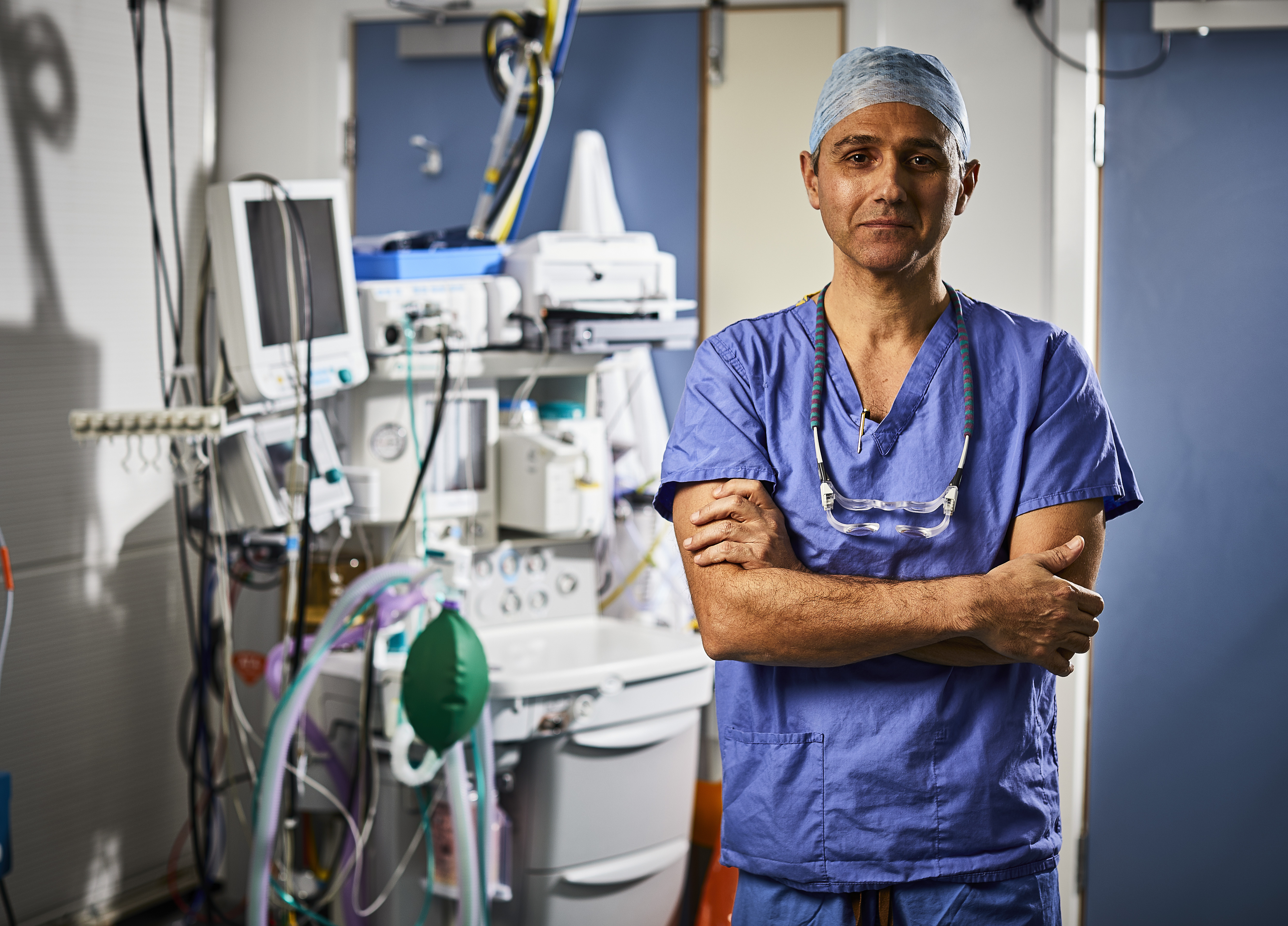
I have specialised in rhinoplasty surgery since my appointment as a consultant surgeon in 2005 and have carried out more than 1,000 rhinoplasty and septorhinoplasty procedures. I am also a founding member of the British Society of Rhinoplasty Surgeons. My aim is to create a natural-looking result that reflects each patient’s wishes and complements their existing facial features.
Appearance and function are closely connected in rhinoplasty. Changing the size or shape of the nose without considering the airway can create or worsen breathing difficulties. As a rhinoplasty surgeon and fully accredited ENT surgeon, I consider both cosmetic and functional factors when planning and performing surgery.